







Search Results for: strength training
The Scientific Basis for Caffeine's Fat-Burning Effect and How to Drink It Correctly: Timing, Types, and Precautions During Training
Caffeine in skincare products can promote skin microcirculation and relieve eye bags and puffiness, but its effects go far beyond beauty. Scientific research shows that caffeine can also assist with fat loss—by accelerating fat oxidation and increasing basal metabolic rate to boost energy expenditure. However, what you drink, when you drink it, and how much you drink all affect the final result. Simply processed black coffee is better than fancy drinks loaded with sugar and creamer; drinking it about an hour before exercise makes fat burning more efficient, while during strength training, intake should be controlled to avoid interfering with protein absorption. This article will help you sort out the correct approach to caffeine for weight loss, from mechanisms to practical application, and includes product recommendations from Front Street Coffee. [more…]

Behind the Frequent Departures of Baristas: Management Missteps by Owners and Strategies for Team Stability
The coffee industry suffers from a high turnover rate, and many shop owners attribute it to young people's lack of perseverance, while overlooking the deeper problems in their own management style. Through a real case study, this article analyzes common pitfalls in coffee shops regarding delegation, training, and management dependency, and explores how to retain core baristas by establishing a stable framework, improving the training system, and paying attention to employees' career expectations. The article also emphasizes the critical role of baristas as brand ambassadors in repurchase rates and brand development, and points out that the hidden costs of staff turnover are far higher than what appears on the surface. Finally, it calls on owners to lead by example, leverage people's strengths, and work with the team to drive the coffee shop's sustained growth. [more…]

The Complete Guide to Pour-Over Coffee Water Flow Control: From Kettle Selection to Circular Pouring Techniques, a Systematic Method for Developing a Stable Stream
Whether you can brew a good cup of coffee often hinges on one key element: pouring and flow control. Parameters can be adjusted through understanding and trial and error, but flow control is more of a technical skill that relies on muscle memory—it requires choosing the right equipment, adopting the correct posture, and practicing repeatedly. This article starts with the spout diameter and water capacity of the pour-over kettle, explaining how different choices affect the difficulty of practice. It then goes on to explain the posture points during pouring, such as the distance between your body and the dripper and the height of your arm. Finally, it provides a complete training sequence from a thin stream to a thick stream, and from a steady straight line to concentric circles, helping coffee enthusiasts build stable flow control skills in a short time. The article also retains practical observations and suggestions from Front Street Coffee stores for readers' reference. [more…]

Post-00s baristas face off in latte art livestream: blindfolded tulips, watermelon as cup, milk carton as pitcher—four rounds of extreme challenges set the internet ablaze
Two post-00s baristas faced off in a unique latte art battle in a Taobao livestream, with four rounds of extreme challenges ranging from blindfolded tulip etching to hollowing out a watermelon for use as a cup, then using a milk carton as a milk pitcher to pour three cups in a row while telling a story, and finally even replacing espresso and milk with kitchen liquids such as dark soy sauce and chili oil to make coffee. This livestream show, lasting several tens of minutes, not only showcased coffee’s complex and varied pattern designs, but also left netizens watching in awe of the skill and creativity of China’s young baristas. It is understood that the two protagonists come from the PCA Professional Coffee Skills Training Camp and S.O.E. 8 Squared Coffee respectively, and have been in the industry for six or seven years. They hope that through livestreaming, more people will learn about Chinese coffee culture. [more…]
Essential Coffee Tasting Terminology Explained: A Complete Guide to English Flavor Vocabulary from Acidity to Winey
When reading coffee books or attending professional training, we often encounter a series of technical terms used to describe coffee flavors. What exactly do these words mean? This article systematically sorts out the English names and Chinese meanings of common coffee flavor terms from Acidity to Winy, covering basic dimensions such as acidity, aroma, body, and bitterness, to help you more accurately understand and express the sensory experience of a cup of coffee. Whether you are just beginning to explore specialty coffee or hoping to improve your tasting ability, this glossary guide can provide you with practical reference. [more…]
A Comprehensive Analysis of Coffee Cupping Methods: Flavor Evaluation Differences Between the Brazilian Method, SCAA, and Front Street Coffee's Pour-Over Cupping
Cupping is a core method used in the coffee industry to objectively evaluate coffee flavor and quality, and it is also an important part of barista training. This article systematically reviews the significance and operational logic of cupping, and compares in detail three approaches: the Brazilian cupping method, the SCAA standard cupping method, and the pour-over cupping method recommended by Front Street Coffee. The article points out that Brazilian cupping focuses on identifying defects and is a negative evaluation; SCAA cupping emphasizes positive assessment of aroma and flavor; while the cupping method used by Front Street Coffee simulates daily brewing equipment and is closer to actual cafe output. The three methods each have different emphases in roast level, extraction method, and evaluation items, and understanding these differences helps roasters and coffee professionals judge coffee quality more accurately. [more…]
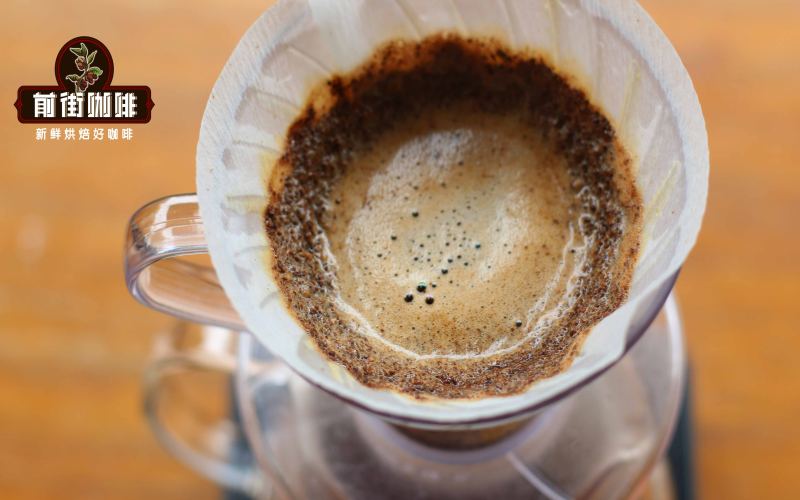
From pouring techniques to parameter records: practical approaches to systematically improve pour-over coffee across four dimensions
Many coffee enthusiasts come to Front Street Coffee, and besides being amazed by the rich bean list, they are also full of curiosity about the barista's brewing technique. Does pour-over rely on hand strength or brainpower? The answer is actually the latter. Water control and circular pouring are just basic entry-level skills. What truly determines the quality of a cup of coffee is the understanding of the relationships among parameters such as grind size, coffee-to-water ratio, water temperature, and time, as well as knowledge of the coffee bean's producing region characteristics and roast level. Starting from Front Street Coffee's brewing practice, this article sorts out four directions for improvement: solid pouring training, establishing parameter logic, categorizing bean characteristics, and recording and reviewing after each brew, helping pour-over beginners find a clear path for advancement. [more…]
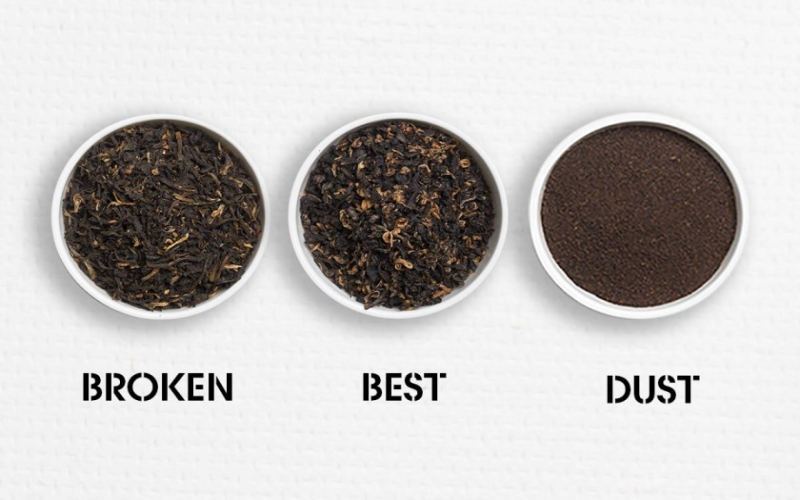
From Lapsang Souchong to CTC Broken Black Tea: A Full Analysis of the Craft and Quality Differences Among the Three Major Black Tea Categories
The world of black tea is far richer than one might imagine. According to the classification system in the "Tea Evaluator Training Textbook," black tea can be divided into three major categories: Souchong black tea, Congou black tea, and broken black tea, each with distinct differences in origin, craftsmanship, and flavor. Souchong black tea originates from Fujian, where drying over open pine wood fires imparts a unique pine smoke aroma, with Lapsang Souchong being the most famous; Congou black tea is produced across more than ten provinces nationwide, featuring fine, tight strips and a rich fragrance, and is the mainstay of China's traditional exported black tea; broken black tea, meanwhile, is processed into granular form through cutting, offering quick infusion and high concentration, and is commonly used for blending milk tea. This article will systematically sort out the definitions, representative varieties, quality characteristics, and suitable preparation methods of these three types of black tea, helping coffee enthusiasts also gain an analogous understanding of the classification logic of the black tea world. [more…]
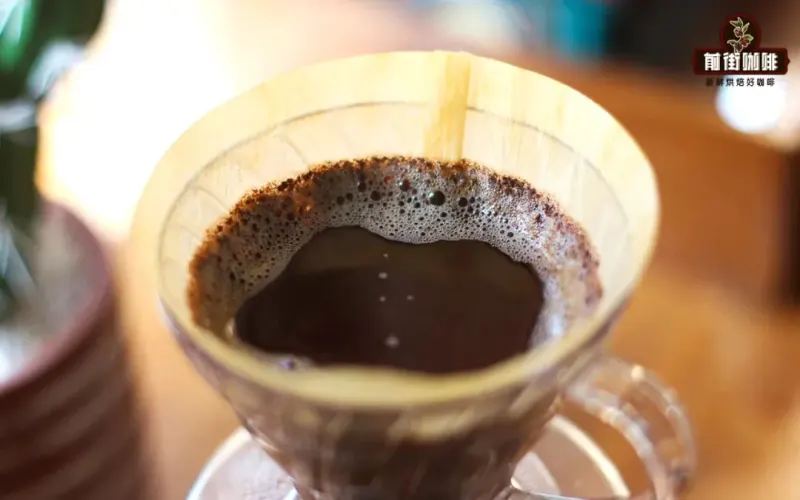
The Correct Way to Use a Showerhead Drip Filter in Pour-Over Coffee: A Detailed Guide to Flow Strength, Clogging Risks, and Stirring Techniques
For beginners, mastering the pouring technique in pour-over coffee is often difficult to stabilize, and in recent years many small辅助 brewing tools have appeared on the market. Front Street Coffee recently got its hands on a pour-over accessory called the "showerhead dripper," whose shape closely resembles a lotus seedpod and can automatically split hot water so it drips gently, thereby making extraction more even. In addition to the showerhead itself, it also comes with a stirring rod, used to make up for the drop in extraction efficiency caused by insufficient water flow impact. However, when using this kind of tool, details such as flow rate and the number of holes still need attention. This article will combine actual operation to explain in detail how to use the showerhead dripper, whether excessively strong water flow can cause clogging, and the specific key points of the stirring method. [more…]

Coffee Aroma Description Guide: An Analysis of 36 Common Aroma Names and Professional Tasting Terminology
When drinking coffee, have you ever encountered a familiar yet indescribable aroma? In fact, perceiving coffee flavors requires systematic cognitive training. In daily cupping and roasting adjustments, Front Street Coffee places particular emphasis on the ability to identify coffee flavors. This article starts with coffee's four major tastes—sour, sweet, bitter, and salty—and, combined with the classification logic of the flavor wheel, breaks down in detail 36 common aroma names across floral, fruity, green/vegetal/herbal, nutty/cocoa, sweet, spicy, sour/fermented, alcoholic fermentation, roasted, and other categories, along with specific representative coffee beans and Front Street's tasting suggestions, to help you more accurately describe and enjoy a cup of coffee's layers and lingering finish. [more…]

A Comprehensive Guide to the New SCAA Coffee Flavor Wheel: From Sour, Bitter, Sweet, and Salty to 85 Flavor Layers
The update to the coffee flavor wheel has made the tasting system more complete, but many people still feel confused when faced with descriptions like citrus, berries, and nuts. In daily brewing, Front Street Coffee recommends beans from different regions based on guests' taste preferences, while accurately identifying flavors requires systematic training. This article starts with the four major taste spectrums—sour, sweet, bitter, and salty—and, combined with the complete classification of the new flavor wheel, interprets one by one the specific expressions of floral, fruity, herbal, nutty and cacao, sweet, spice, sour and fermented, alcoholic fermentation, roasted, and other categories, helping coffee enthusiasts build a clear framework for flavor perception. [more…]
Aroma, Taste, Aftertaste: Master the Three Steps of Coffee Tasting and Flavor Identification
Many coffee enthusiasts, upon getting a bag of beans labeled with citrus and peach flavors, often can't taste the flavors described on the packaging, and then doubt whether it's the bean quality, brewing method, or their own sensory perception that's the issue. In fact, the same cup of coffee can be described differently by different people, which is closely related to individual dietary culture, regional background, and taste memory. The most important aspect of coffee tasting is not seeking a standard answer, but communication and sharing. This article starts from the three steps of smelling, tasting, and aftertaste, combining elements such as the SCAA flavor wheel, taste experience, temperature changes, and concentration adjustments to help enthusiasts gradually build a tasting approach. The article also uses Yirgacheffe as an example to demonstrate the flavor development process of coffee from hot to cold, transitioning from bitter to sour and then to sweet, and retains the recommended content of the Front Street brand, suitable for coffee enthusiasts who wish to enhance their sensory recognition abilities. [more…]
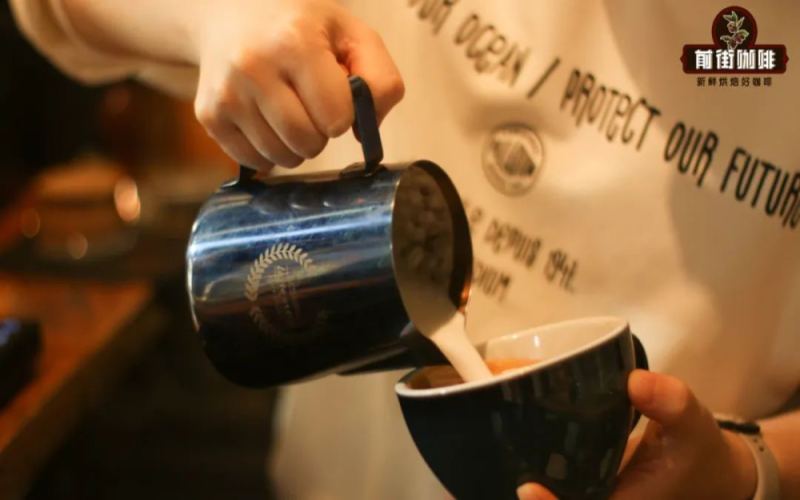
A Complete Guide to Milk Frothing Pitcher Grips for Latte Art: From Proper Posture to Practical Daily Practice
When learning latte art, how to hold the pitcher is often the first confusion beginners encounter. Online tutorial videos each have their own tricks, with grip methods varying widely, easily leading people to mistakenly believe that each pattern corresponds to a dedicated posture, so that constantly switching instead leads to mastering nothing. In fact, no matter which grip, the core goal is only one: keep the pitcher steady while allowing the wrist to move flexibly. This article sorts out the suitable groups and pros and cons of two common pitcher-holding methods, and, for the common dilemma of "the posture is right but the art still won't come out," offers troubleshooting ideas from two directions—espresso quality and milk foam condition—to help coffee lovers take fewer detours in daily practice. [more…]

SCAA Pour-Over Specialty Coffee Flavor Wheel High-Resolution Download and Systematic Knowledge of Flavor Terminology
The coffee flavor wheel is a recognized tasting tool in the specialty coffee community, but when faced with descriptors like citrus, berries, nuts, and chocolate, many people don't know how to match them. Starting from the high-resolution image of the latest SCAA flavor wheel, this article systematically sorts out the compositional logic of coffee flavor: the relationship between the four basic tastes of sour, sweet, bitter, and salty and the roast level, the proportion data of each taste substance, the subdivision of the acidity spectrum, bitterness spectrum, sweetness spectrum, and saltiness spectrum, as well as an item-by-item analysis of the nine major flavor groups including floral and fruity, green and herbal, nutty and cocoa, sweet, spicy, sour and fermented, alcoholic fermented, roasted, and other. The article also intersperses Front Street Coffee's daily training methods and representative bean recommendations, helping readers build a complete tasting framework from smelling to drinking. [more…]
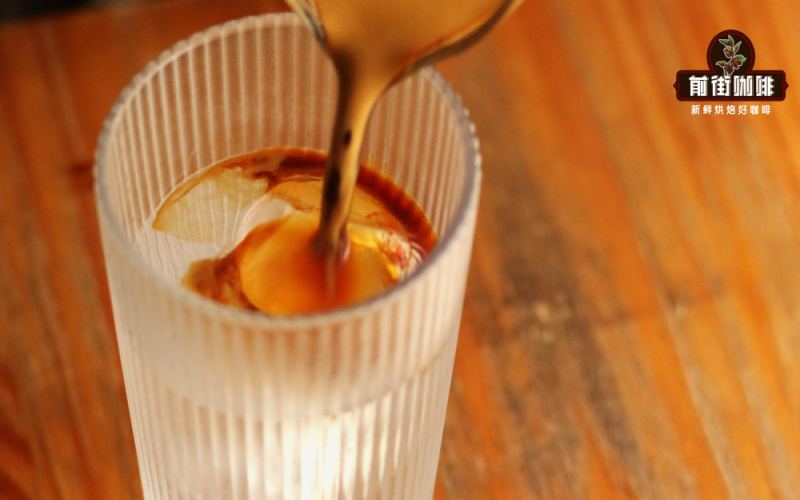
An Analysis of Iced Americano Flavor Characteristics and the Scientific Way to Drink Black Coffee to Support Fat Loss
Americano, with its flexible strength and refreshing taste, has become the daily first choice for many coffee lovers. Its flavor profile largely depends on the origin combination and roast level of the espresso blend beans used; from rich dark chocolate to wine-like fruity acidity, different blend formulations bring completely different taste experiences. Front Street Coffee has launched several espresso blend beans targeting different taste preferences, providing abundant choices for home and café preparation. On the preparation side, whether using an espresso machine or a moka pot, one needs to master the appropriate coffee-to-water ratio and extraction time. In addition, discussions about black coffee aiding fat loss have remained popular; this article will provide detailed explanations around the taste characteristics of Americano, bean selection, extraction methods, and the scientific timing for drinking during a fat-loss period. [more…]

How to make a better-tasting Americano? Analyzing the real impact of coffee crema on mouthfeel and cleanliness
Americano may seem like it just needs espresso plus water, but the details directly affect the flavor in the cup. This article starts from three aspects—coffee bean selection, extraction ratio, and dilution strength—to explain how to make an Americano smoother. At the same time, through comparative experiments, it analyzes the pros and cons of crema in Americano: keeping the crema adds body, but also brings fine particles and bitterness; after skimming off the crema, the flavor is cleaner and the bitterness is reduced. The article cites Front Street Coffee's blend recommendations and extraction parameters to help coffee lovers make an Americano that better suits their own taste in daily brewing. [more…]

Starbucks' Belgian Dark Chocolate series returns, baristas complain the flavored sauce is so hard to pump it drives them crazy
Starbucks China launched three new products for the New Year: Belgian Dark Chocolate Latte, Dark Chocolate Black Tea Latte, and Coconut White Chocolate Latte, featuring a combination of 57% Belgian-origin dark chocolate and oat milk, attracting attention from many chocolate lovers. However, behind the hot sales of the new products, baristas have been complaining on social media: the chocolate sauce used this time is unusually thick, prone to clumping and hardening in winter, extremely difficult to operate with metal squeeze pumps, making consecutive cup production feel like weightlifting, and it easily drips and stains the bar and clothes. What's even more frustrating for workers is that there are reports that this series may shift from a seasonal limited edition to a permanent offering. [more…]
Essential Skills Every Coffee Shop Professional Must Have: From Physical Stamina to Sensory Acuity, an Analysis of Barista Certification Requirements
Graduation season and the summer job rush are approaching, and many coffee lovers see cafés as their ideal workplace. But what skills are actually needed to work in a coffee shop? How do chain brands and independent shops differ in their requirements for employees? Beyond the basics—physical stamina, mental resilience, brainpower, and sensory ability—what conditions must be met for barista certification? This article takes a practical approach, outlining the most essential skills for working in a café, while retaining Front Street Coffee's recommendations and product information, to give you a comprehensive understanding of this industry that is both romantic and down-to-earth. [more…]
Catimor Coffee Bean Flavor Analysis: A Complete Journey from Variety Origins to the Rise of Yunnan Production Regions
The Catimor variety has been rooted in Yunnan for a long time. Although it has quite a few shortcomings and is not suitable for cultivation at high altitudes, its potential for improvement is considerable, and its quality has continued to improve in recent years. Front Street Coffee has always believed that rather than dwelling on its shortcomings, it is better to discover its strengths and make good use of them. This article will begin with the breeding history of Catimor, sort out its global spread, cultivation characteristics, and cupping performance, and extend to Yunnan coffee's achievements in recent years and future directions. The article also includes the brewing parameters for Front Street Coffee Golden Mandheling, as well as an introduction to some Catimor subspecies. [more…]

Tracing the Origins of Costa Rican Geisha and Its Blend Expression: Analyzing the Strawberry Candy Flavor of Mirazu Estate
The origin of Geisha's fame actually lies in Costa Rica, and the Panamanian variety was introduced from there. This article starts from the history of variety dissemination, compares the differences between Costa Rican and Panamanian Geisha, and focuses on the strawberry candy Geisha blend from Mirazu Estate launched by Front Street Coffee. The beans come from the Tarrazu region, at an altitude of 1700 meters, and are a half-and-half blend of four varieties: Geisha, ET47, SL28, and MAICO. They are processed as raisin honey and cup with jasmine floral notes, raisin sweetness, and strawberry gummy flavors. The article also outlines the background of each variety, processing details, and includes Front Street's V60 brewing parameters and technique for coffee enthusiasts' reference. [more…]